
Wildlife disease epidemiology
Surveillance of tick-borne and bacterial pathogens across South African game reserves, mapping infection, coinfection and exposure in 22+ wildlife species.
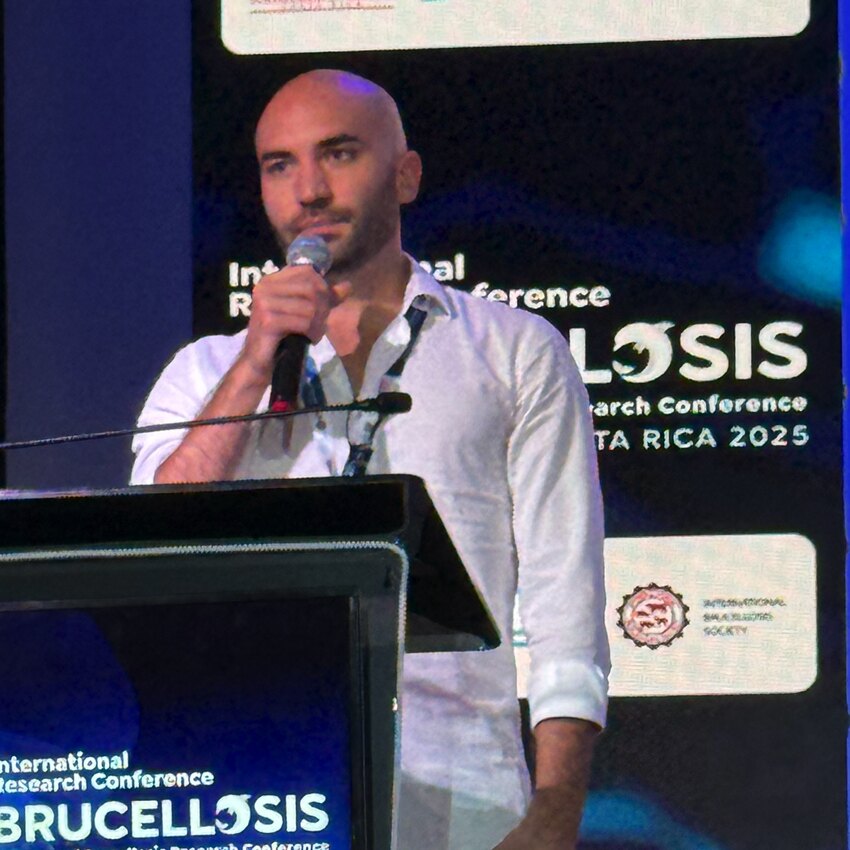
Wildlife veterinarian & research scientist
Tropical diseases of wildlife · One Health
Studying the tropical diseases of African wildlife within a One Health framework, bridging field epidemiology, molecular diagnostics and data-driven surveillance.

I am a veterinarian and research scientist specialised in wildlife and tropical diseases within a One Health framework, currently a Research Fellow at the Department of Veterinary Tropical Diseases, University of Pretoria.
My work combines field epidemiology, molecular and serological diagnostics, bacteriology and phylogenetics with computational skills (SQL, R, PHP/Laravel, bioinformatics) to advance digital innovation and data-driven surveillance. Much of my fieldwork takes place across South African game reserves, including Kruger National Park.
My research investigates the pathogens circulating in African wildlife: how they move across the wildlife–livestock interface, and what they mean for animal and public health.
Surveillance of tick-borne and bacterial pathogens across South African game reserves, mapping infection, coinfection and exposure in 22+ wildlife species.
Epidemiology and phylogenomics of Brucella in South African wildlife, including B. abortus in African buffalo of Kruger National Park, and its dynamics with cattle.
Continental syntheses of molecular prevalence across ticks, zebra, and the distribution of Theileria, Babesia, Anaplasmataceae and Rickettsiaceae in African wild mammals.
Improved detection and sequencing methods, whole-genome sequencing and phylogenetics that turn laboratory data into data-driven surveillance.
Presented at the Sardinia Symposium 2025, our study found nylon fragments and other microplastics in the lungs and blood of wildlife sampled in South African reserves, areas long considered pristine. A signal that synthetic fibres are infiltrating even the most remote ecosystems, with potential effects along the food chain.
“We found a surprising concentration of nylon, a polymer typically derived from textiles and everyday packaging. No ecosystem, not even the untouched ones, is shielded any more.”
Cossu, Poli, Litti & Lavagnolo — University of Padua & University of Pretoria · covered by Corriere della Sera ↗
Peer-reviewed research in wildlife and veterinary tropical diseases. Full list available on ORCID and ResearchGate.
Aleph∞One: a One Health-driven relational web application for integrated epidemiological data management
Informatics and Health
Brucellosis in South Africa: challenges in diagnosis, transmission, and control
Ciencias Veterinarias
Improved Detection and Sequencing of Rickettsia spp. DNA in South African Wildlife
Veterinary Medicine and Science
The continental distribution of Theileria and Babesia species in African wild mammals: a systematic review and meta-analysis of molecular prevalence
Preventive Veterinary Medicine
Epidemiological baseline of Brucella spp. in South African wildlife
PLOS Neglected Tropical Diseases
Widespread infections with bacterial and protozoan tick-borne pathogens in 22 wildlife species across South African game reserves
Acta Tropica
Phylogenomics of Brucella abortus isolated from African buffalo in Kruger National Park: new perspectives on wildlife–cattle disease dynamics
Veterinary Microbiology
Occurrence and molecular prevalence of Anaplasmataceae, Rickettsiaceae and Coxiellaceae in African wildlife: a systematic review and meta-analysis
Preventive Veterinary Medicine
Detection of tick-borne pathogen coinfections and coexposures to foot-and-mouth disease, brucellosis and Q fever in selected wildlife from Kruger (SA) and Etosha (Namibia)
Transboundary and Emerging Diseases
Distribution and prevalence of Anaplasmataceae, Rickettsiaceae and Coxiellaceae in African ticks: a systematic review and meta-analysis
Microorganisms
The significance of viral, bacterial and protozoan infections in zebra: a systematic review and meta-analysis of prevalence
Hystrix, the Italian Journal of Mammalogy
Animal waste and waste animal by-products generated along the livestock breeding and meat food chain
Waste Management
 Research software · One Health
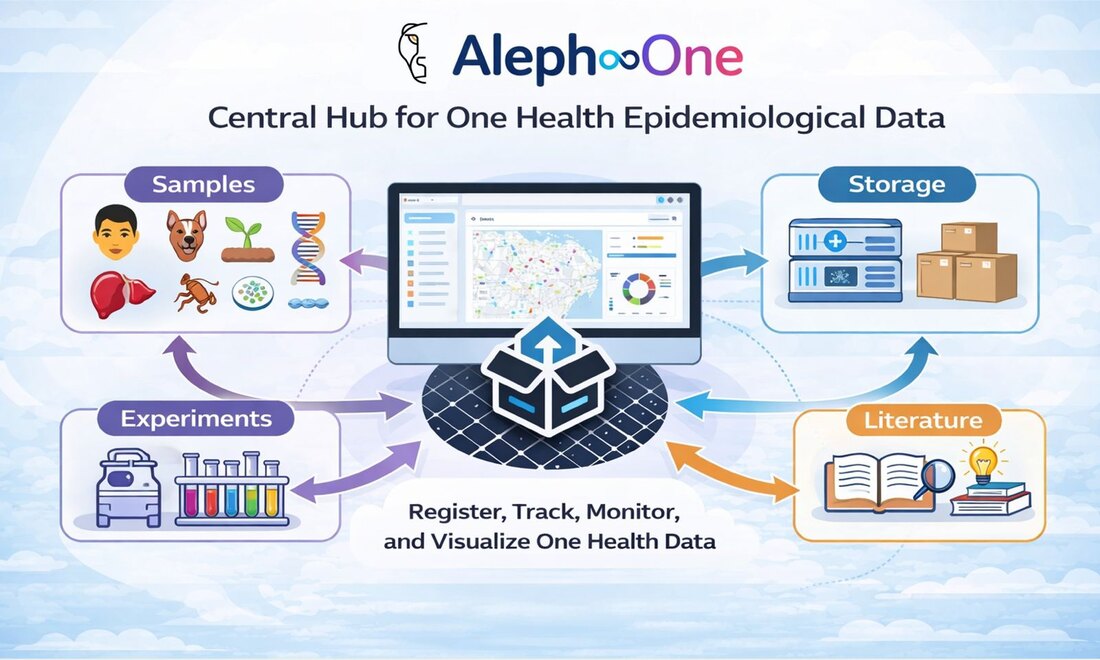
A One Health platform I built to manage the full life of epidemiological data: sample registration, lab tracking, biobanking and literature in one relational system. It has powered five years of wildlife-disease research and the data behind several of my publications, and is described in a peer-reviewed paper in Informatics and Health.
 Science communication
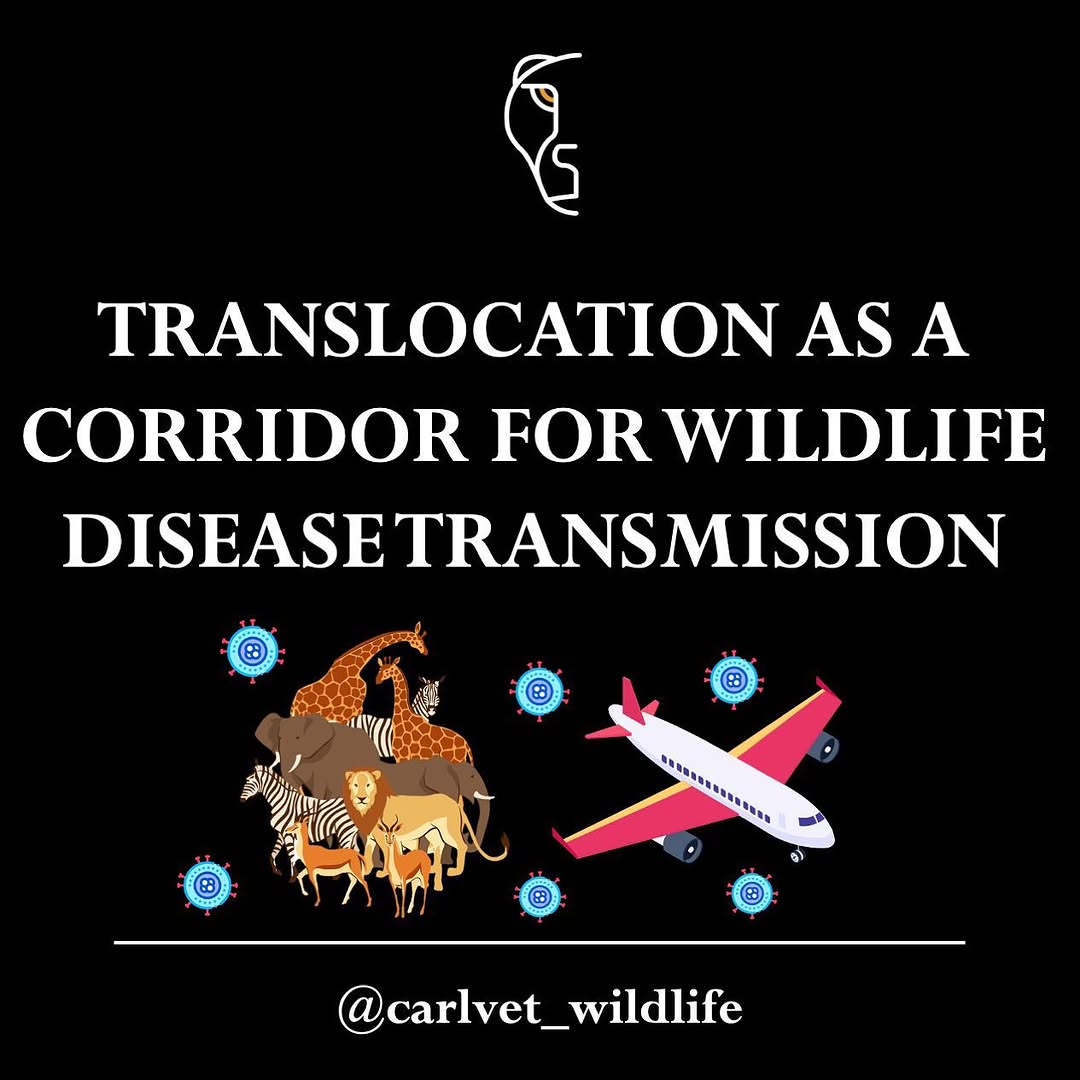
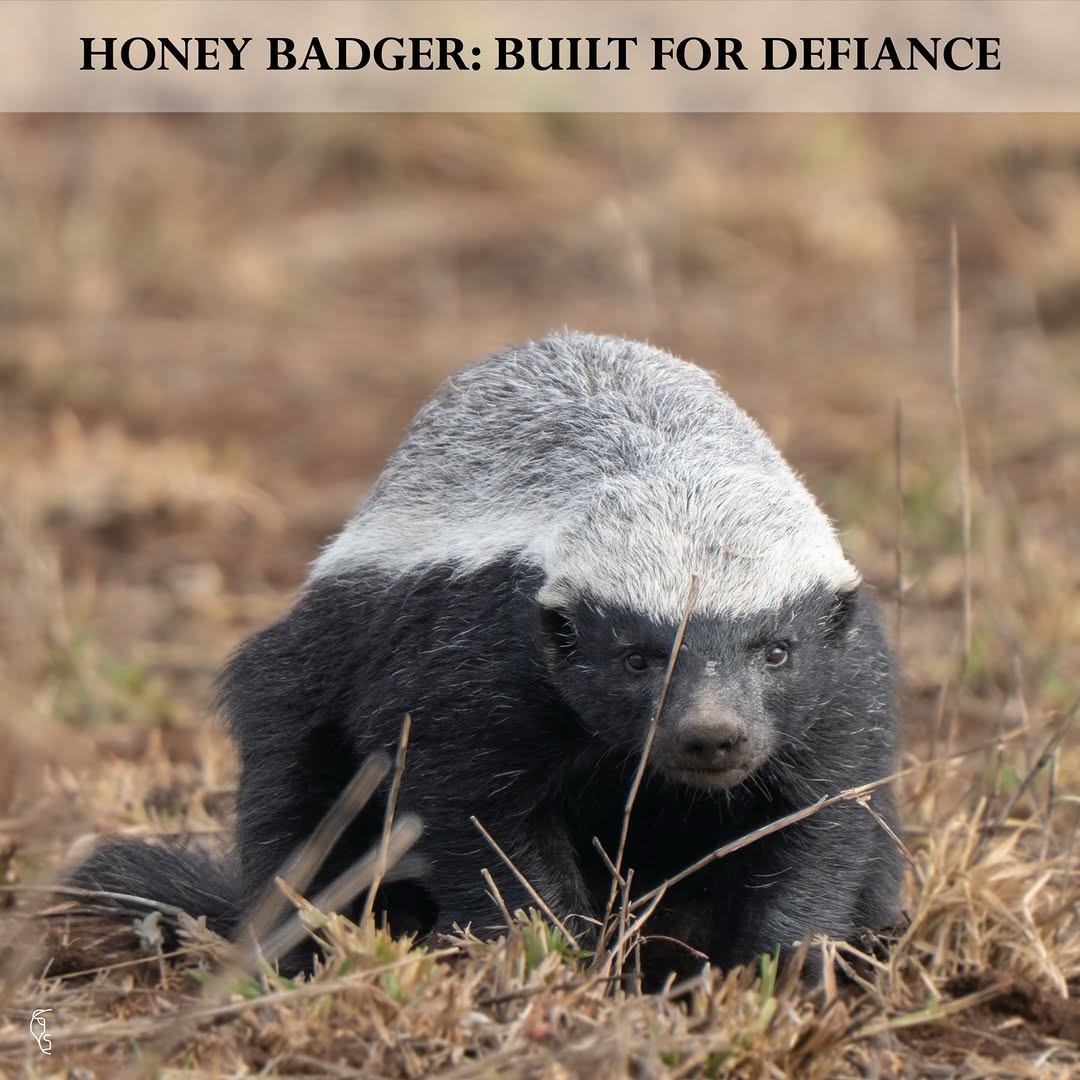
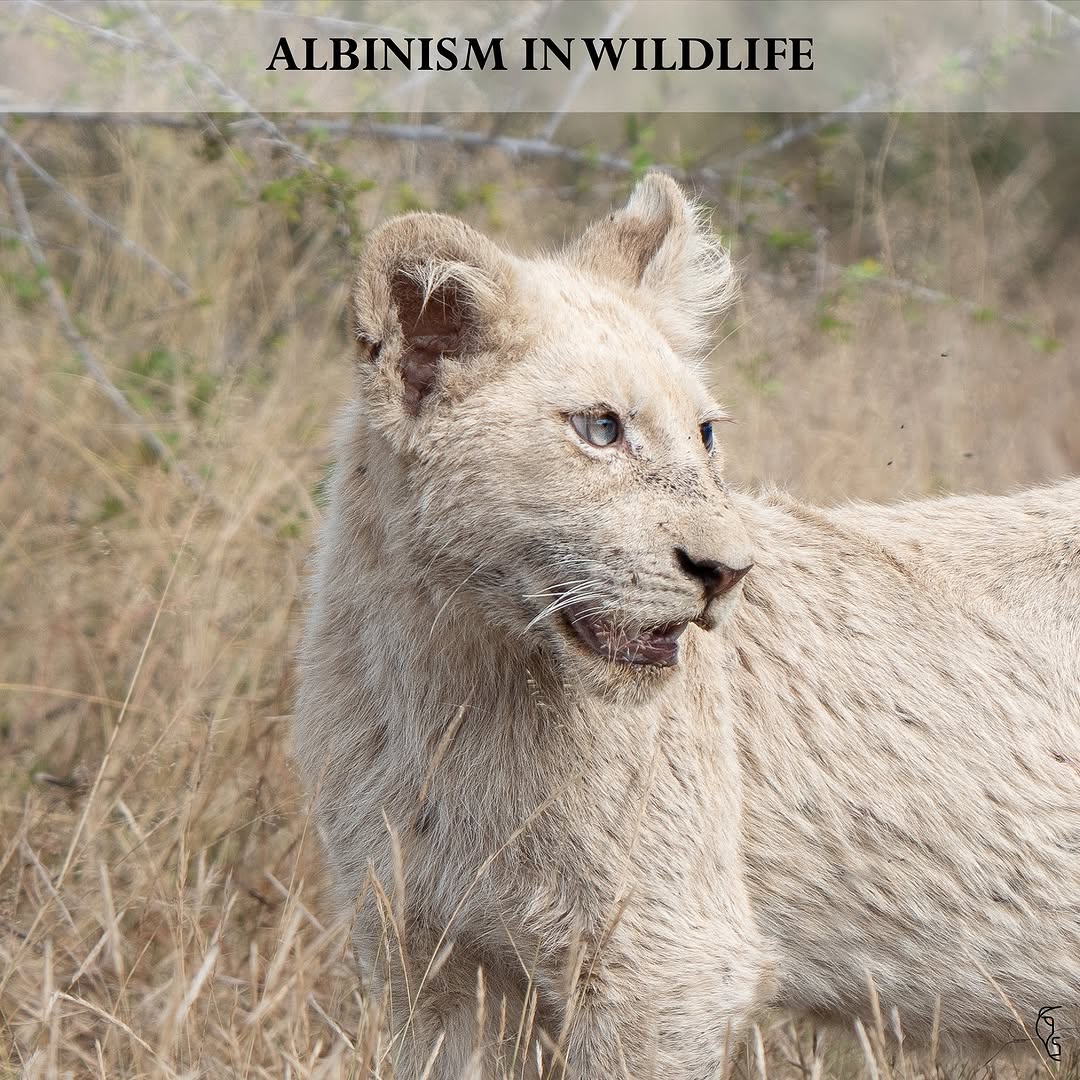
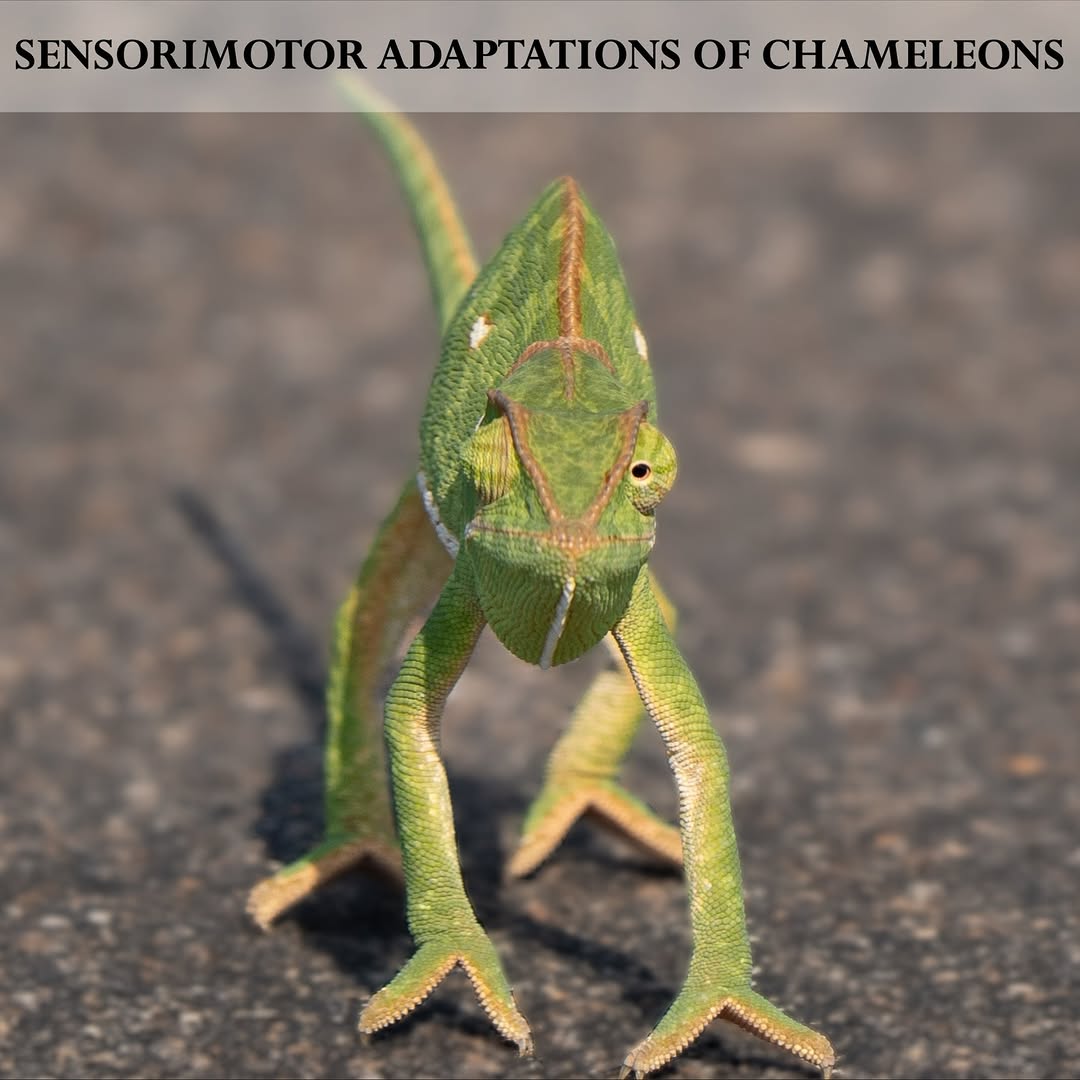
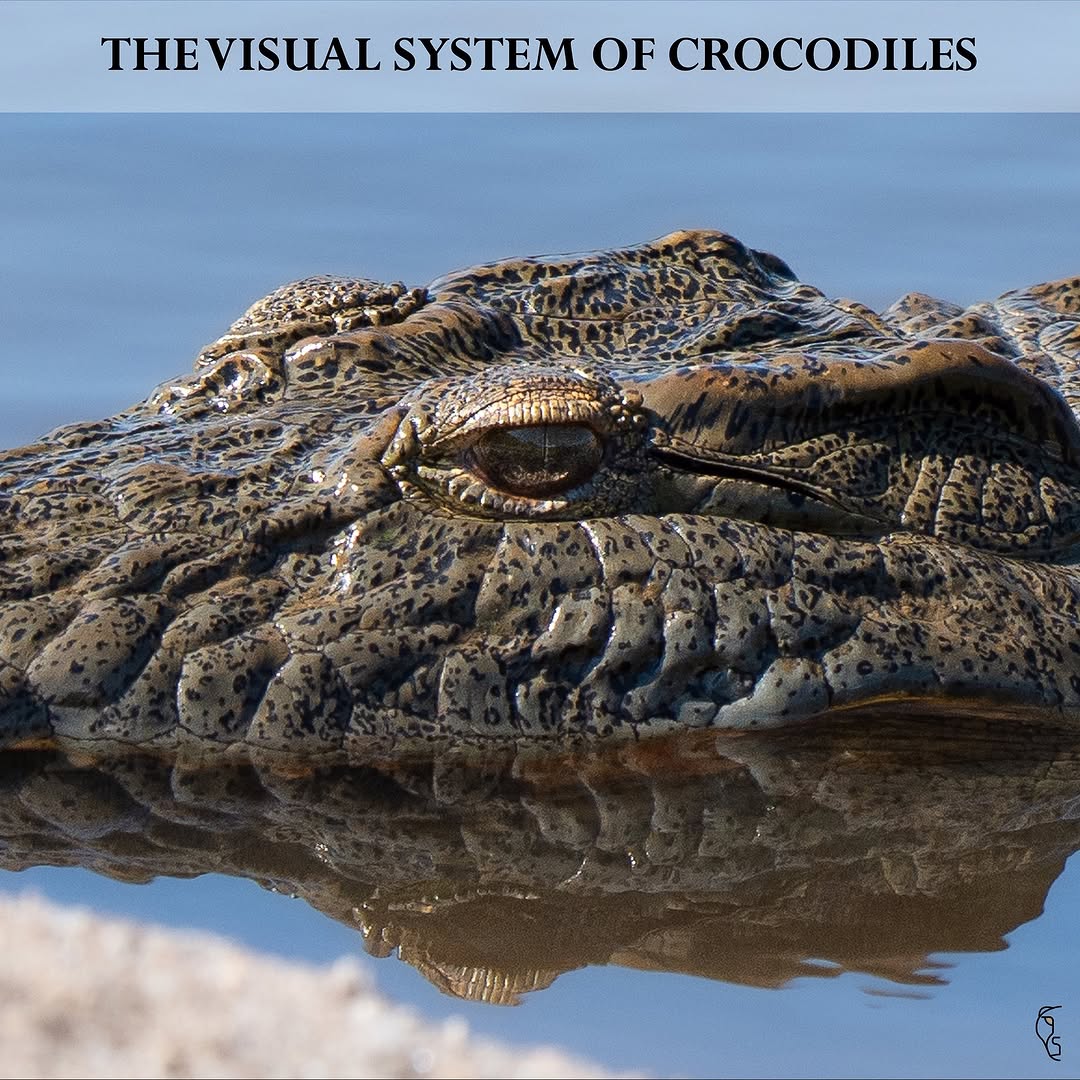
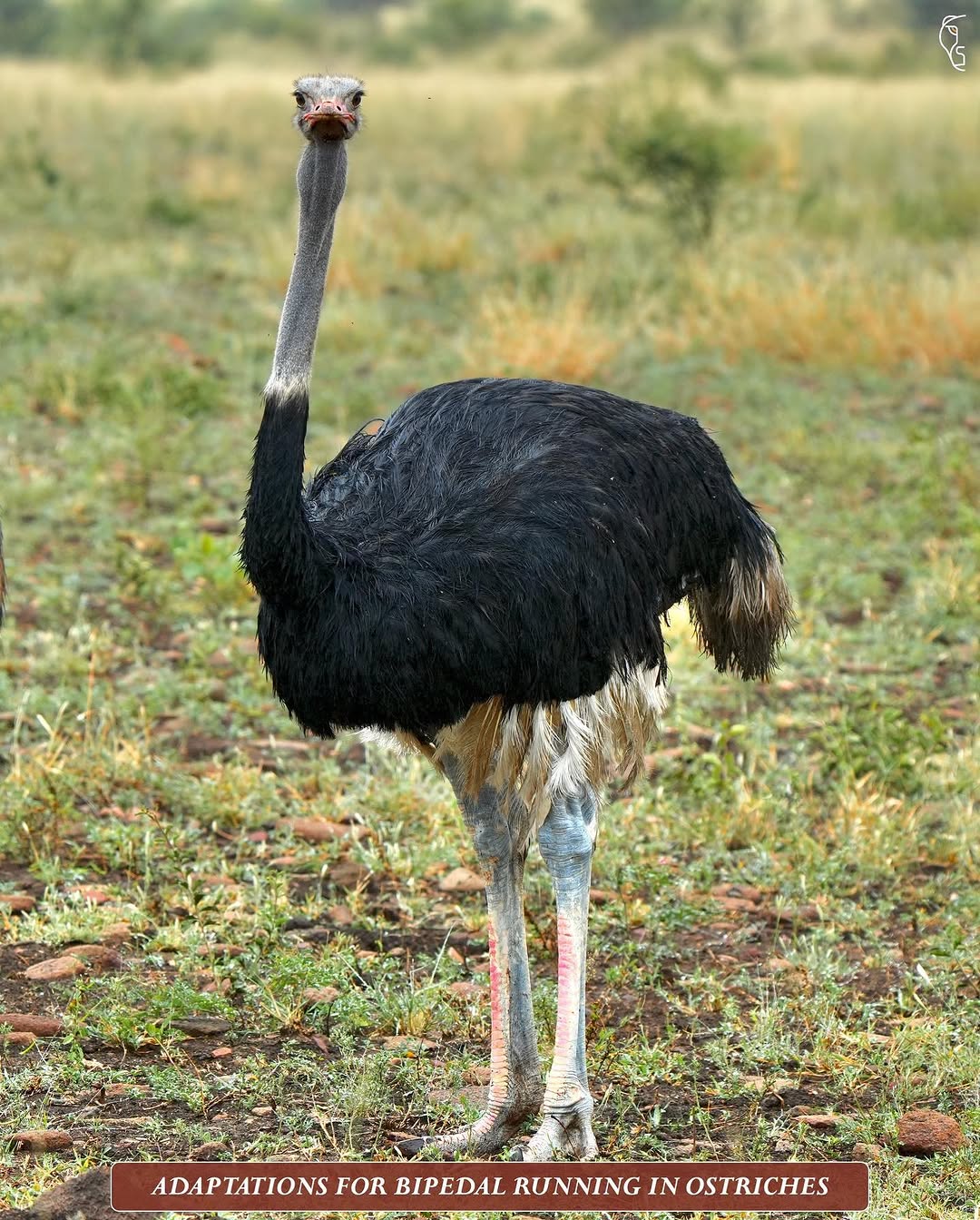
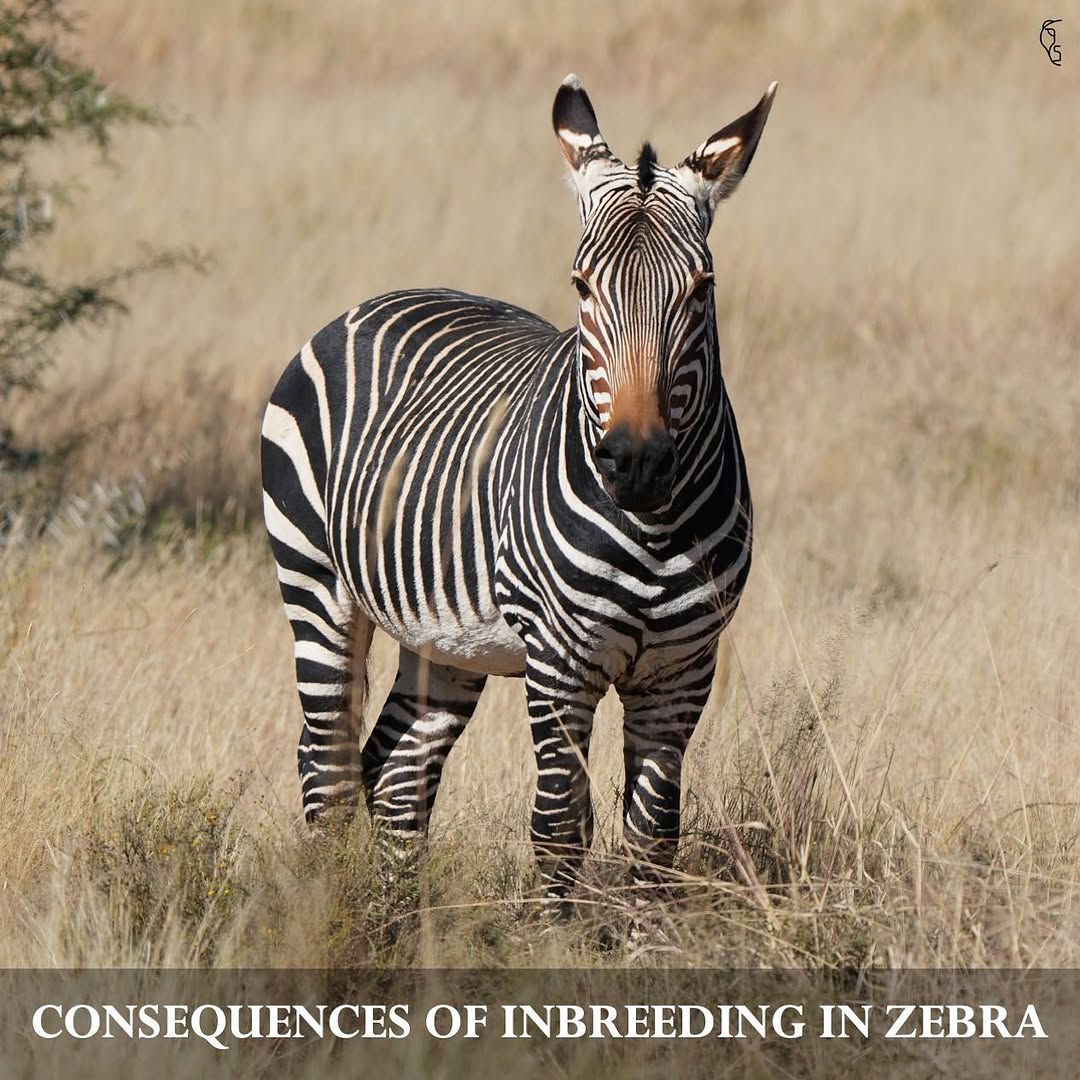
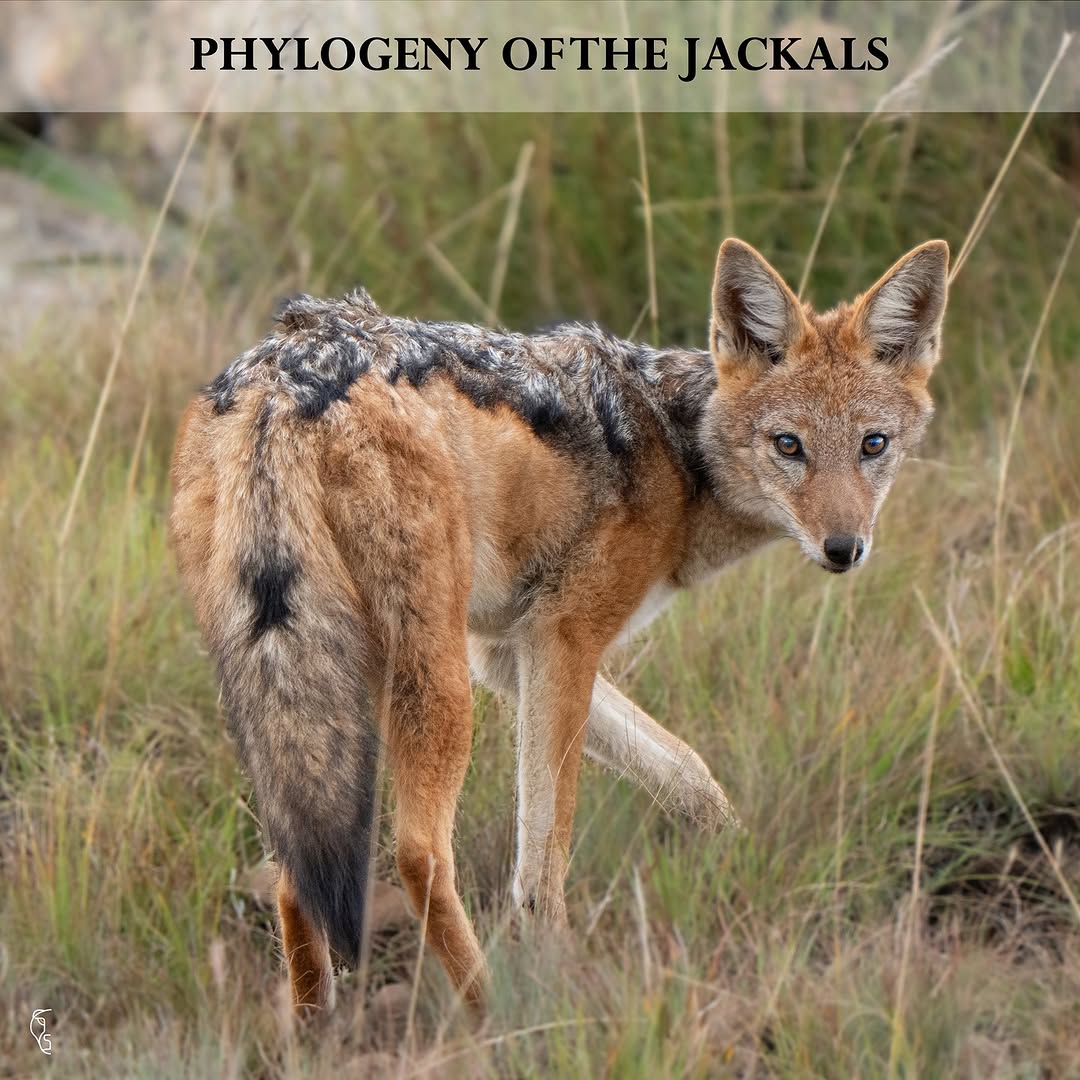
A science-communication project sharing the biology, anatomy, behaviour and diseases of wild animals, making wildlife science accessible to a community of over 7,000 followers.
Open to research collaborations, fieldwork and One Health projects in wildlife and tropical diseases.